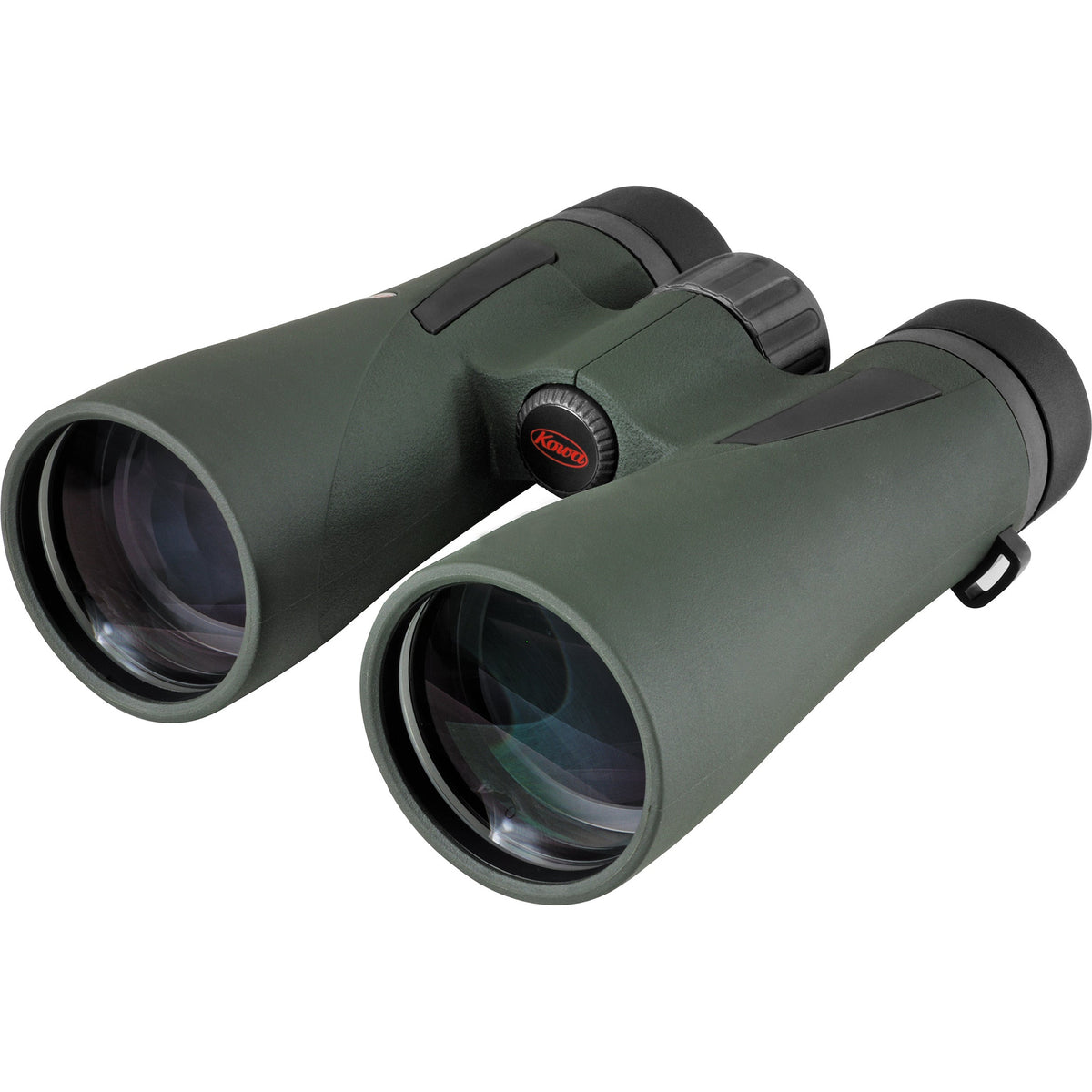
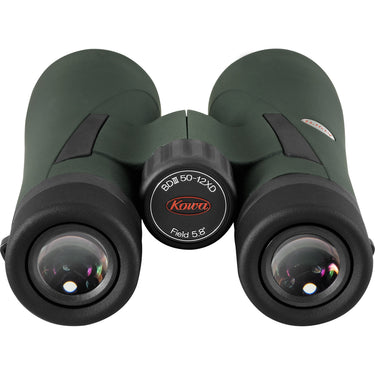
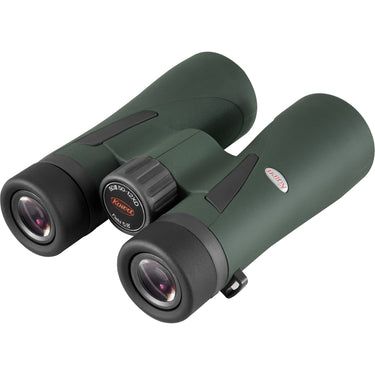
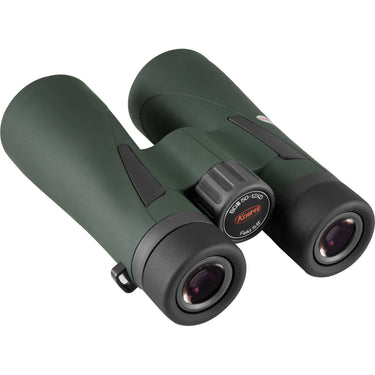
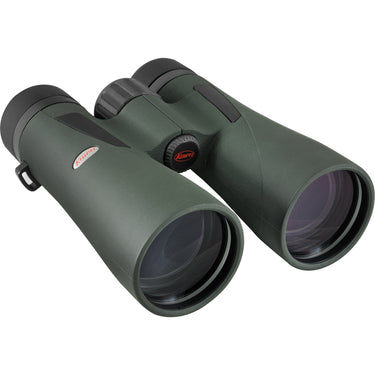
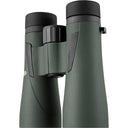
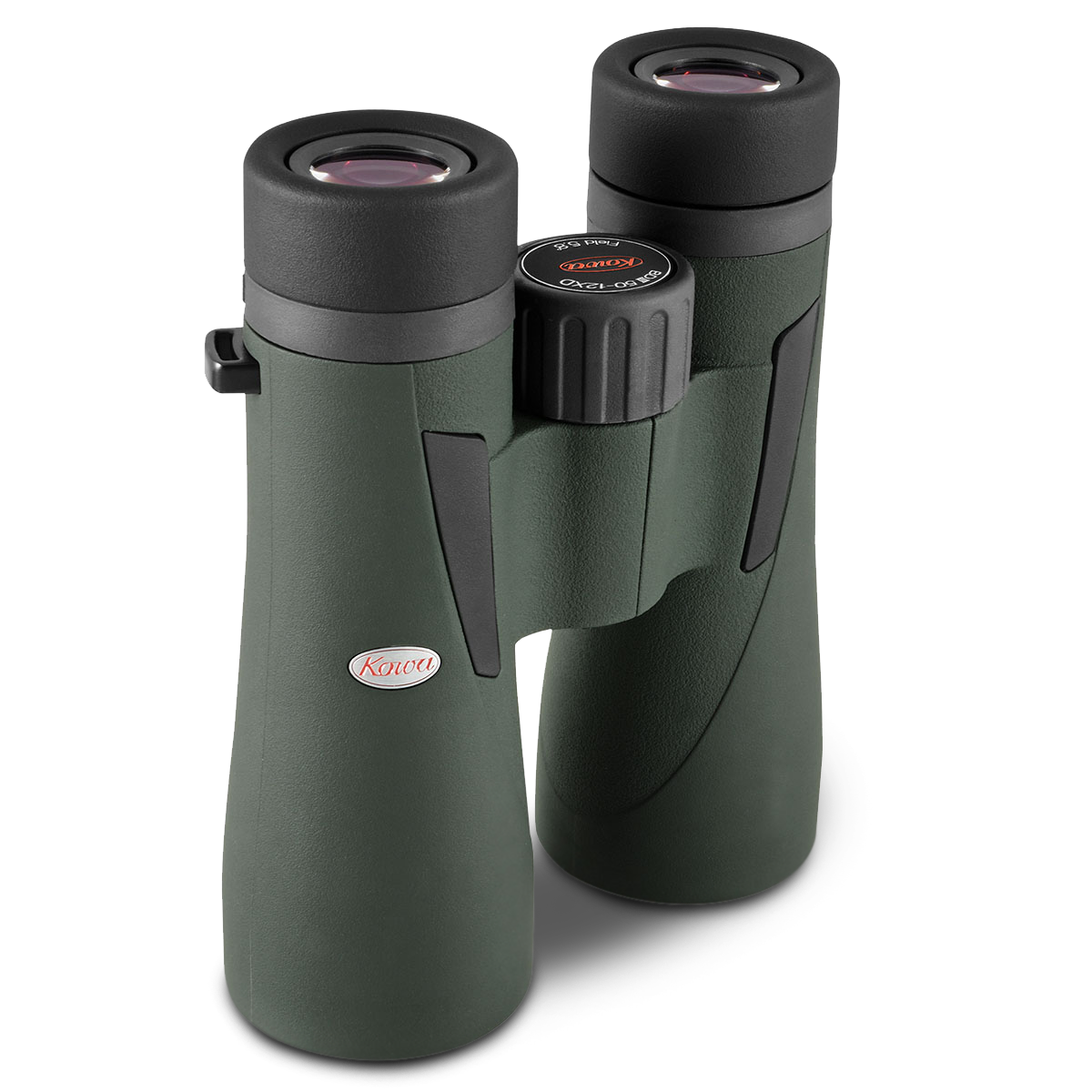
Kowa BD III 12x50 XD binoculars combine the highest magnification in the current BD III-XD range with large 50 mm objective lenses, premium Kowa XD extra-low-dispersion glass, C3 dielectric and phase-corrected BaK4 roof prisms, a 5.8-degree real angular field measuring 101 m at 1,000 m, 3.0 m close focus, 17.5 mm eye relief and a 4.2 mm exit pupil. The 730 g magnesium-alloy body is waterproof and nitrogen-filled, with Kowa KR water- and oil-repellent coating on exposed glass and tripod attachment support for steadier long-duration viewing. Designed for distant birdwatching, shorebirds, raptors, wildlife, hunting, coastlines, wetlands, open country, landscapes and other observations where maximum reach and fine detail matter. Supplied with case, strap, objective caps, eyepiece rainguard / caps and instructions. Jacobs Digital New Zealand listing warranty: 1 year.
The Kowa BD III 12×50 combines powerful 12× magnification with large 50 mm objectives and premium XD glass. It is designed for birders and outdoor observers who want to resolve finer detail across wetlands, coastlines, open country and distant landscapes, while a 4.2 mm exit pupil and 50 mm objective format help keep the view bright and useful as conditions change.
101 m field at 1,000 m12× maximum BD III reach50 mm XD / ED objectives730 g magnesium body1-year Jacobs Digital warranty
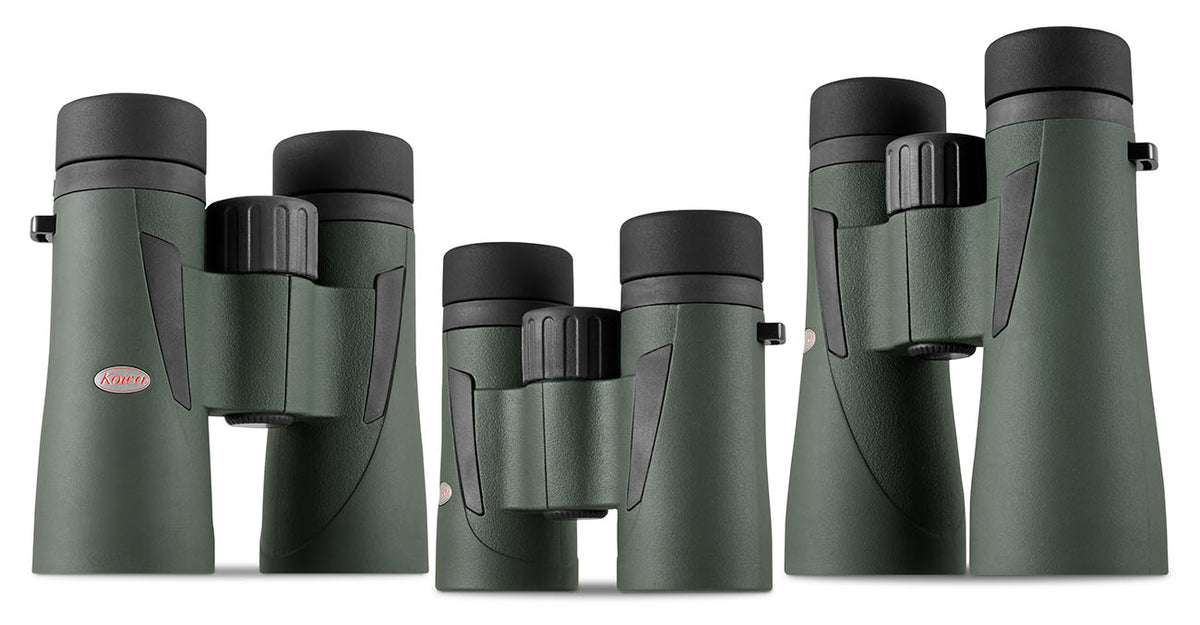
The Kowa BD III-XD family. This listing covers the 12×50 XD model.
12×Maximum BD III magnification
50 mmLarge light-gathering objectives
5.8°5.8° real angular field
101 mField at 1,000 metres
17.5 mmLong eye relief
730 gMagnesium-alloy body weight
Wide. Refined. Ready.
The 12×50 built around maximum reach.
Twelve-power magnification brings distant plumage, markings, wildlife structure and landscape detail closer than any other current BD III-XD model. The 50 mm objectives support that extra magnification with a useful 4.2 mm exit pupil, while the 730 g magnesium chassis keeps this high-magnification format comparatively manageable.
Kowa BD III 12×50 XD · model BD III 50-12XD
XD opticsExtra-low-dispersion objective glassWide angle5.8° and 101 m at 1,000 mClose focusFocus from 3.0 metresLightweight strengthMagnesium-alloy constructionWeather readyWaterproof and nitrogen filledCompact handling160 mm long for a 12×50
Kowa XD optical performance
Colour stays where detail belongs.
Kowa XD objective elements use fluorite-rich extra-low-dispersion glass to suppress chromatic aberration—the coloured edging that can obscure fine structure around high-contrast subjects. At 12×, that correction becomes especially valuable because the extra subject scale makes small colour errors and edge fringing easier to notice.
Official Kowa BD III-XD campaign image. XD glass is designed to reduce residual colour fringing and maintain high-contrast detail.
A broader view at 12×
More magnification without giving up the wider picture.
The 5.8° true field spans 101 metres at 1,000 metres—303 feet at 1,000 yards. For a 12× binocular, that provides valuable context around distant birds and wildlife, making it easier to scan open country, retain a moving subject and work with high magnification without feeling excessively tunnelled in.
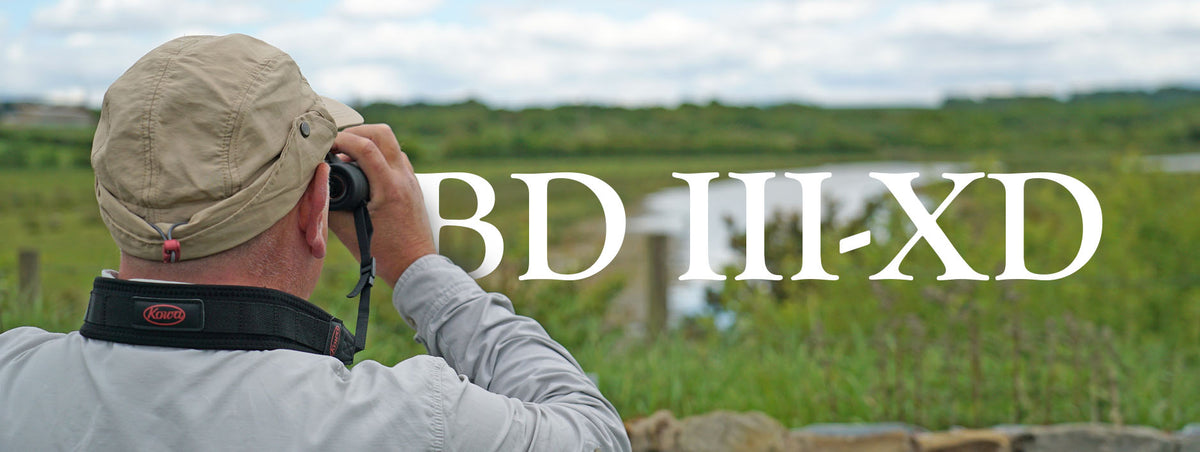
Kowa BD III-XD family campaign photography. The 12×50 model provides a 5.8° real field covering approximately 101 m at 1,000 m.
Less weight. More freedom.
Magnesium strength in a 730 g 12×50 body.
At 160 × 134 × 57 mm and 730 g, the BD III 12×50 remains relatively compact for a high-magnification 50 mm binocular. Its magnesium-alloy chassis provides the rigidity needed to keep the optical system aligned while avoiding the bulk traditionally associated with large-objective, long-range binoculars.
The 730 g body is comparatively light for a 12×50. Use the supplied case and lens caps when transporting it with other field equipment.
Close-up clarity
The small world is only 3 metres away.
Kowa's current global specification table and USA material list a 3.0 m minimum focusing distance for the BD III 12×50. That gives this long-range binocular a useful near-field capability for flowers, insects and habitat detail before refocusing back to distant birds or landscapes.
Designed around the observer
Refined control, even when the moment is quick.
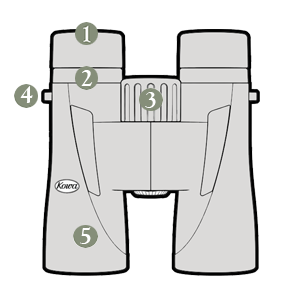
The BD III 12×50 uses the same refined control layout as the rest of the range: a large precision focus wheel, soft silicone twist-up eyecups, grippy rubber armour and a broad 57–76 mm interpupillary range. Kowa also provides tripod attachment support, useful when the extra 12× magnification is used for prolonged observation.
Soft silicone eyecups rotate to suit viewing with or without glasses; exact spectacle compatibility depends on frame shape, facial anatomy and the eyecup position used.
01
Oversized central focus wheel
Smooth, precise focusing is easy to reach with the index finger and remains practical when wearing gloves.
02
Soft twist-up eyecups
Retract the eyecups when wearing glasses and extend them without glasses, then fine-tune the position until the full field appears as one clean circle.
03
57–76 mm eye-spacing adjustment
The central hinge covers a broad interpupillary range so the left and right images can merge correctly for different users.
04
Right-eye dioptre calibration
Set the binocular once for the difference between your eyes, then use the central wheel for normal focusing from near subjects to infinity.
Twist-up eyecups
Dioptre adjustment
Central focus wheel
Strap attachment points
Rubber-armoured body
Official BD III-XD family control diagram. Numbers correspond to the five labelled parts.
101 macross at 1,000 m
A 5.8° real field; Kowa USA publishes 303 ft at 1,000 yd for the BD III 12×50.
One binocular, near to far
From nearby nature detail to distant landscapes.
3.0 m close focus Flowers, insects and nearby habitat detail101 m field width Useful context around distant 12× subjects
Uncorrected edge
Different wavelengths can focus at slightly different positions, creating visible colour fringes on high-contrast edges.
XD-corrected view
XD extra-low-dispersion glass brings colour more closely together so outlines remain cleaner and fine structure is easier to read at 12×.
Illustrative explanation of colour correction; not a measured before-and-after image from this binocular.
See what the field figure means
How much landscape fits in the view?
The published 101 m field at 1,000 m scales with distance. Explore the approximate scene width for a subject nearer or farther away.
101 m approximate width at 1,000 m
At 100 m: approximately 10.1 m wide. At 500 m: 50.5 m. At 1,000 m: 101 m. These figures scale the published linear field; the drawing is explanatory.
Light managed carefully
C³ prisms, phase correction and full multi-coating.
Inside the roof-prism system, Kowa combines high-quality BaK4 glass with a phase-correction treatment and its C³ dielectric multilayer coating. Kowa specifies more than 99% reflectance across the visible 400–700 nm spectrum on the coated prism surface, supporting brightness, contrast and faithful colour.
01
C³ dielectric prism coating
A high-reflectivity dielectric multilayer treatment is applied to the prism surface that cannot rely on total internal reflection. It returns more useful light than conventional aluminium or silver mirror coatings on that surface.
02
Phase-corrected BaK4 roof prisms
Phase correction helps preserve resolution and contrast after light passes through the roof prism, while BaK4 prism glass supports a bright, clear viewing circle through to the edge.
03
Multi-layer coatings throughout
Multi-coating on all lens and prism surfaces reduces reflection losses through the optical path, supporting a bright, high-contrast image in changing light.
04
KR protection on exposed glass
Kowa KR coating repels water and oil and resists dirt on the objective and eyepiece surfaces, helping marks release more easily during correct cleaning.
Kowa’s official XD-glass image illustrates the specialised optical material.Kowa’s C³ chart compares coated-prism reflectance. It does not measure total binocular transmission.
Why 12×50 works so well
Maximum reach with 50 mm light-gathering power.
The 12×50 is the highest-magnification model in the current BD III-XD range. Twelve-power subject scale is paired with 50 mm objectives and a 4.2 mm exit pupil, giving serious long-range detail while preserving enough brightness for general outdoor observation. For extended sessions, Kowa's tripod attachment support can reduce hand movement and fatigue.
12×
The most reach in the BD III-XD family.
Twelve-power magnification reveals finer distant detail than 10×, helping with far-off plumage, identification marks, wildlife, ridgelines and open-country subjects that cannot be approached closely.
50 mm
Large objectives support the extra magnification.
The 50 mm objective lenses gather more light than the 42 mm models and help maintain useful brightness at 12×, particularly in overcast conditions, shaded habitat and the edges of the day.
4.2 mm
A practical exit pupil for high magnification.
The 4.2 mm exit pupil matches the beam diameter of the BD III 10×42 while delivering 20% more magnification, making the 12×50 a reach-first format rather than a maximum-brightness format.
Ready for New Zealand conditions
Rain on the armour. Clarity inside.
Waterproof construction and dry nitrogen filling help protect the sealed optical interior from moisture, internal condensation and fungal growth. The grippy rubber armour adds day-to-day protection, while KR-coated exterior glass sheds water, oil and dirt more readily.
The BD III is made for wet-weather observation, but Kowa specifies that it is not for underwater use. Do not intentionally submerge it.
01
Waterproof body
Sealed construction protects the binocular during rain, spray and ordinary wet-weather field use.
02
Nitrogen-filled interior
Dry nitrogen helps suppress internal fogging and mould when temperature and humidity change.
03
KR-coated exterior lenses
Water, oil and dirt adhere less strongly, making careful cleaning easier after coastal, dusty or rainy outings.
04
Rubber-armoured magnesium chassis
A strong metal body sits beneath tactile armour designed for a secure grip in cold, damp or changing conditions.
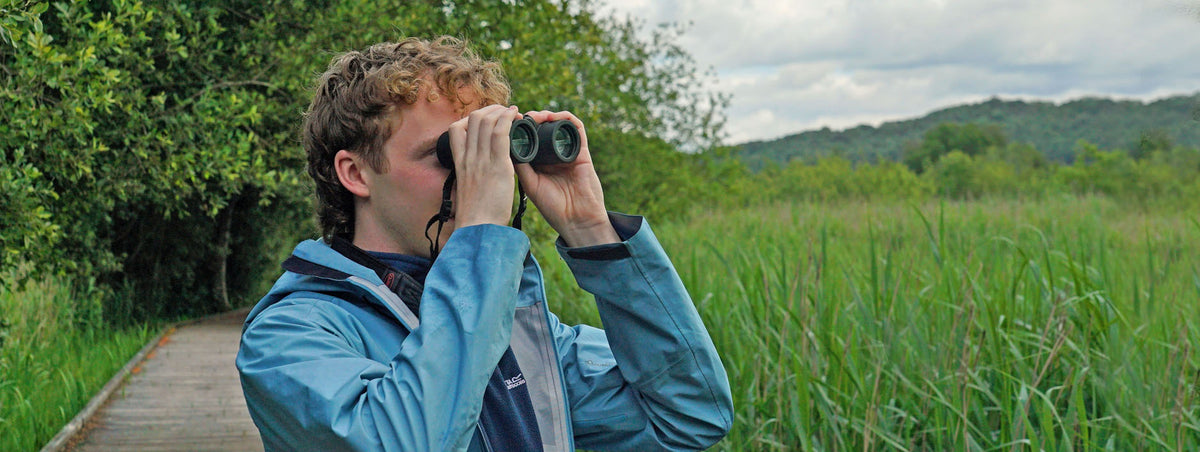
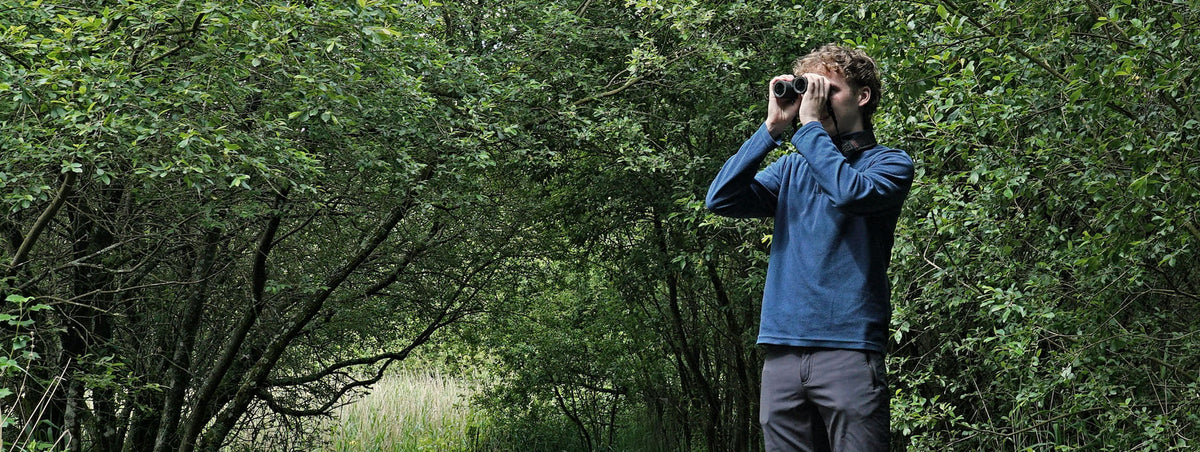
Official Kowa BD III-XD family photography showing the binoculars in outdoor use.
Made to be outside
Birding, wildlife and everyday discovery.
The 12×50 is especially at home around estuaries, coastlines, wetlands, farmland, open country and viewpoints where subjects are distant and fine identification detail matters. Its 101 m field remains useful for scanning and tracking, while tripod compatibility makes it particularly suitable for long, deliberate observation.
Swipe or scroll to explore every photograph. Product views retain the complete image.
Open-country and coastal observationBalanced for ready access in the fieldSecure handling and fast central focusWide-angle tracking beside wetlandsCompact full-size binocular for day walksProtective armour for active outdoor use
1 / 6
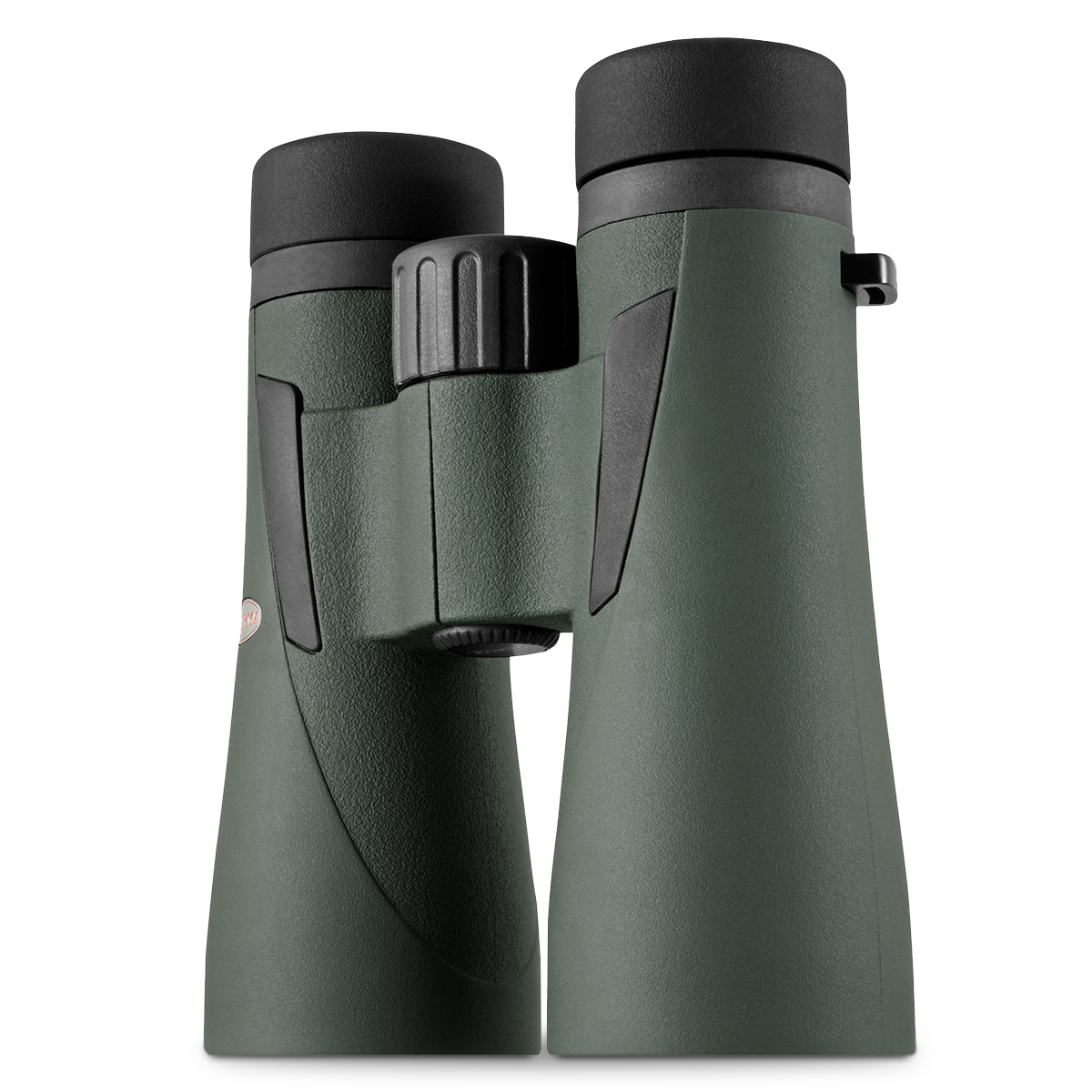
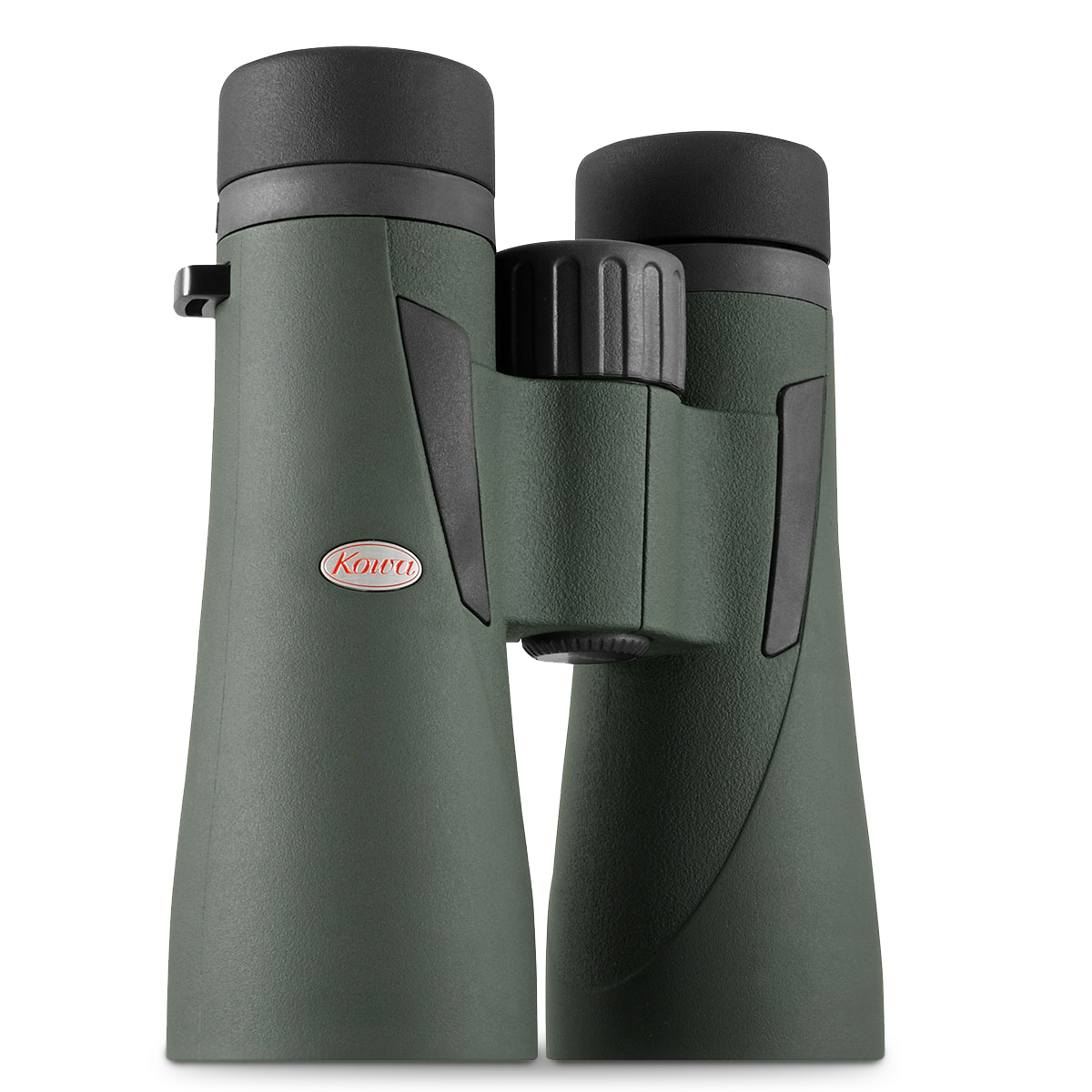
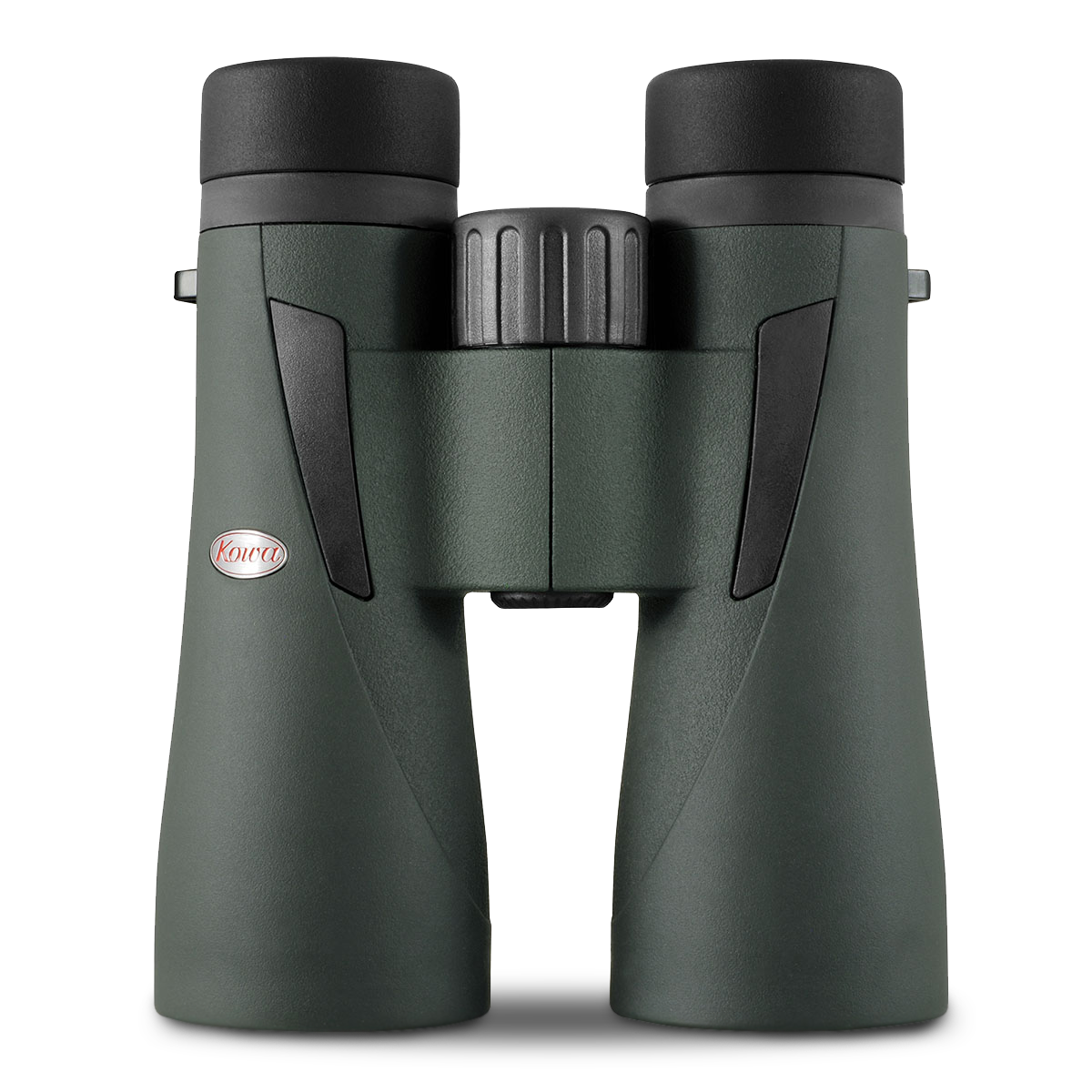
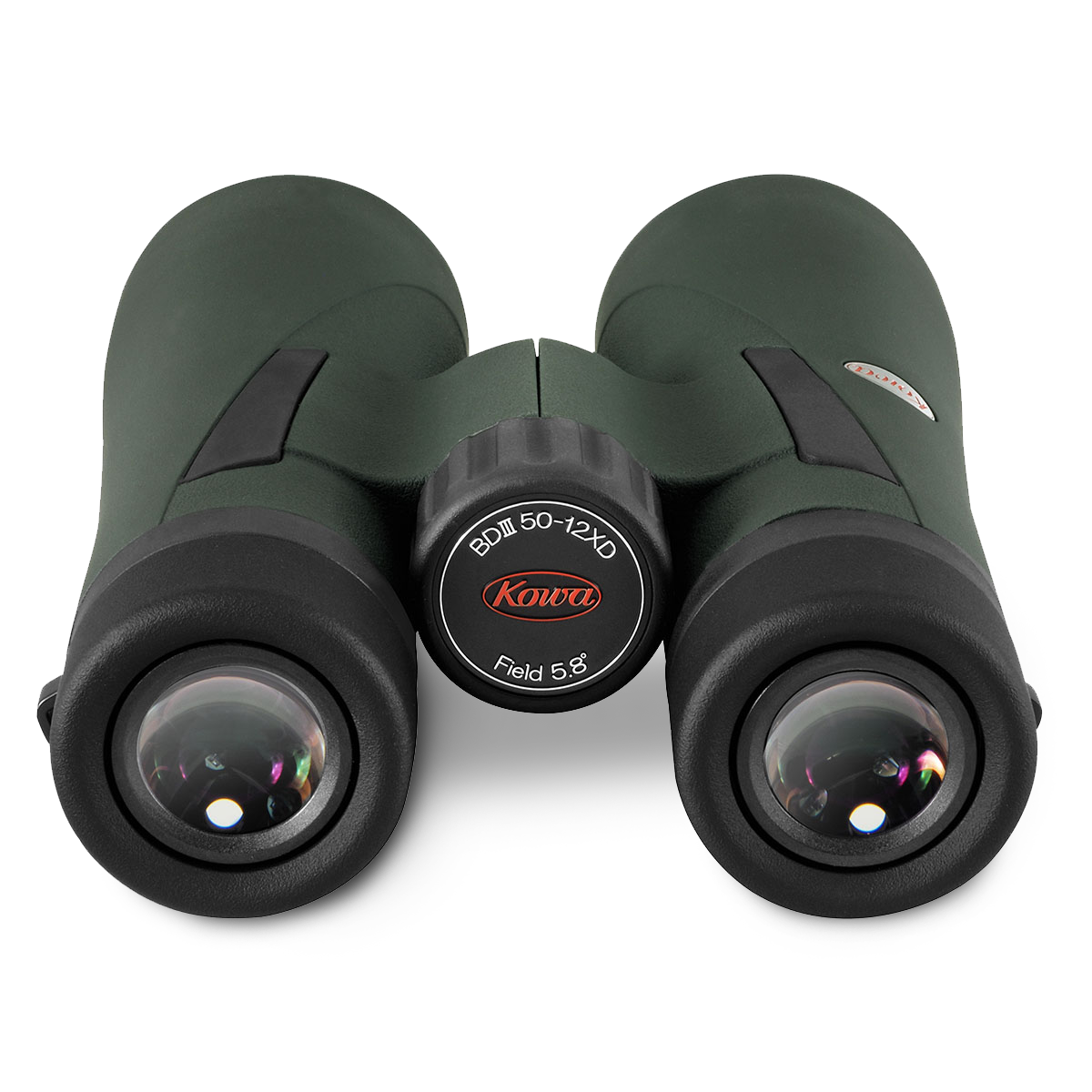
Official Kowa product views
BD III 12×50 from every angle.
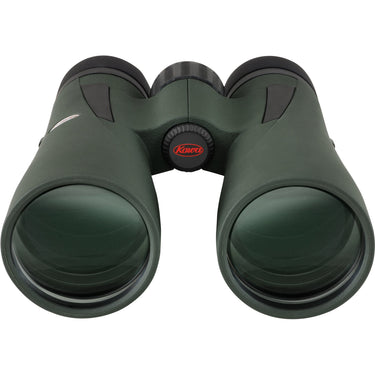
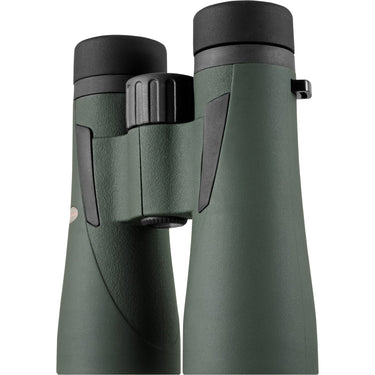
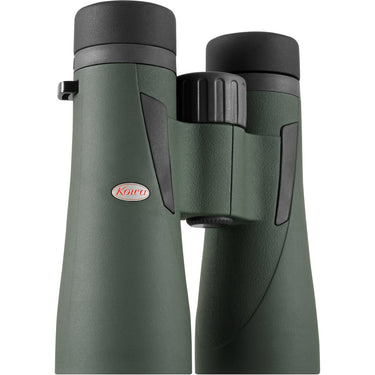
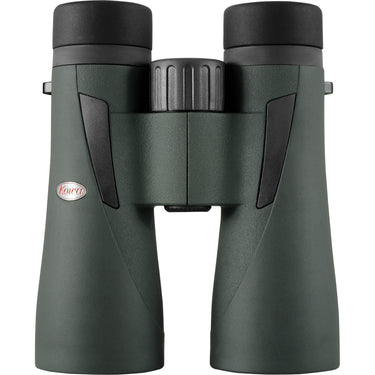
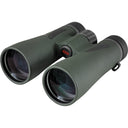
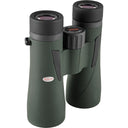
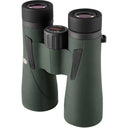
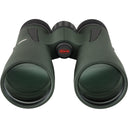
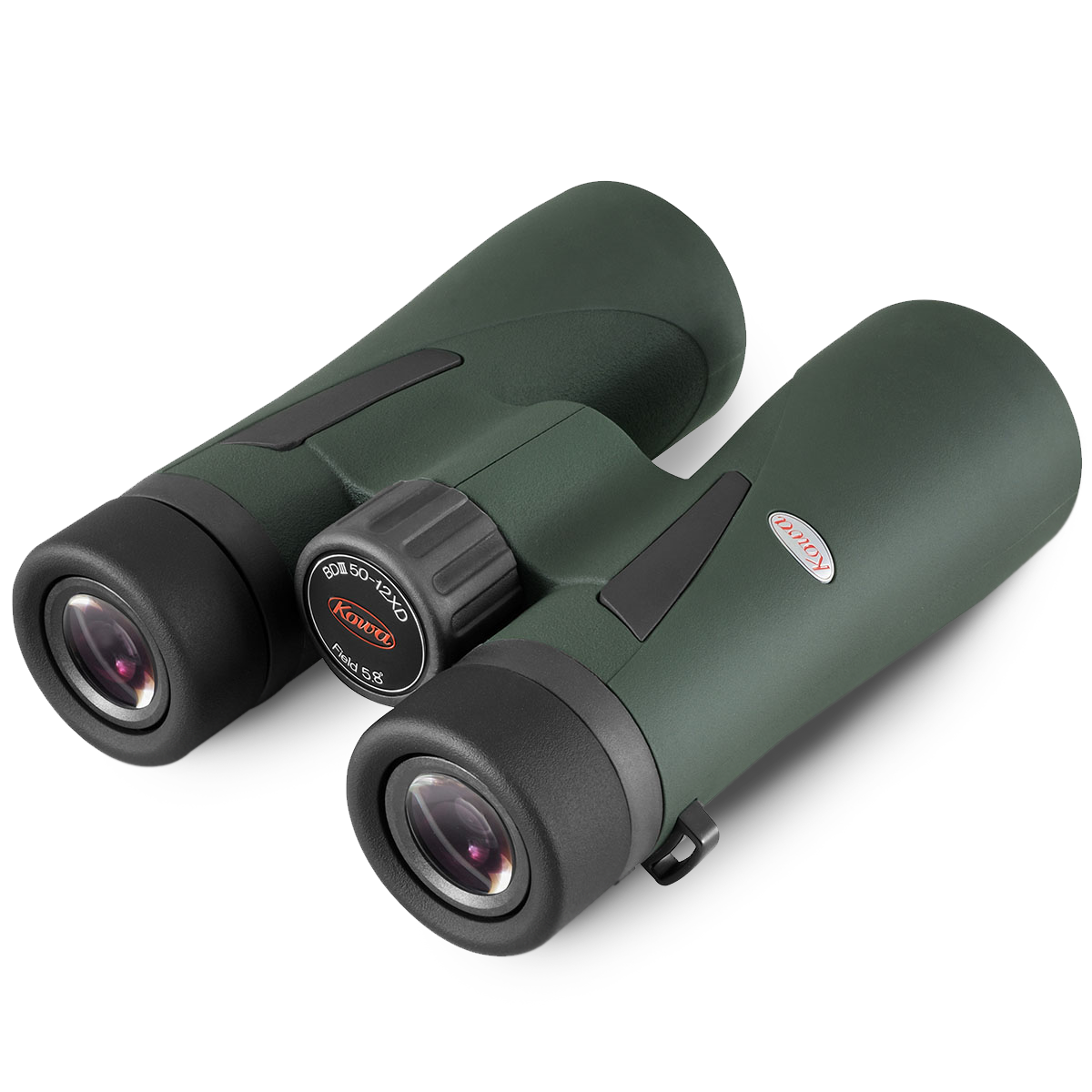
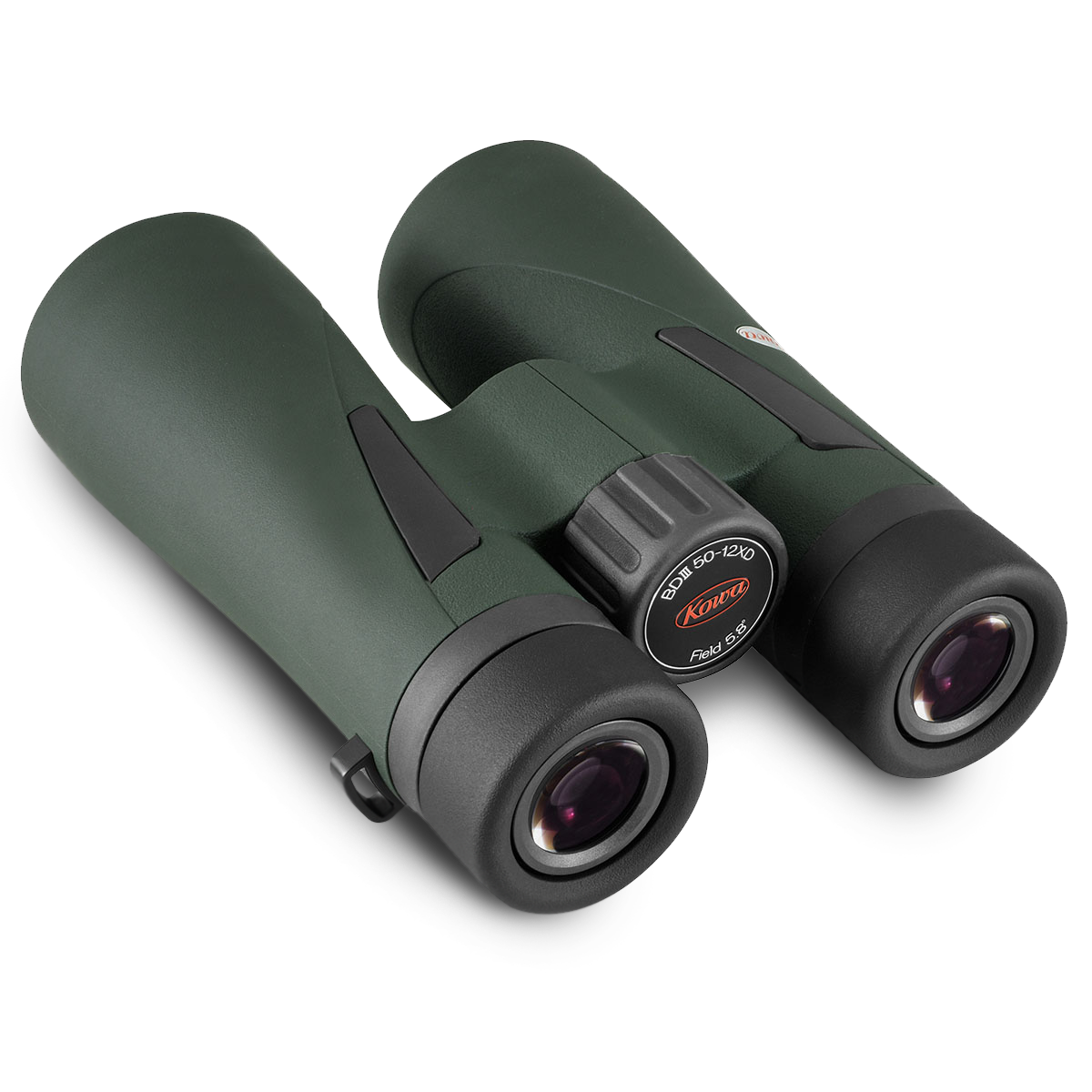
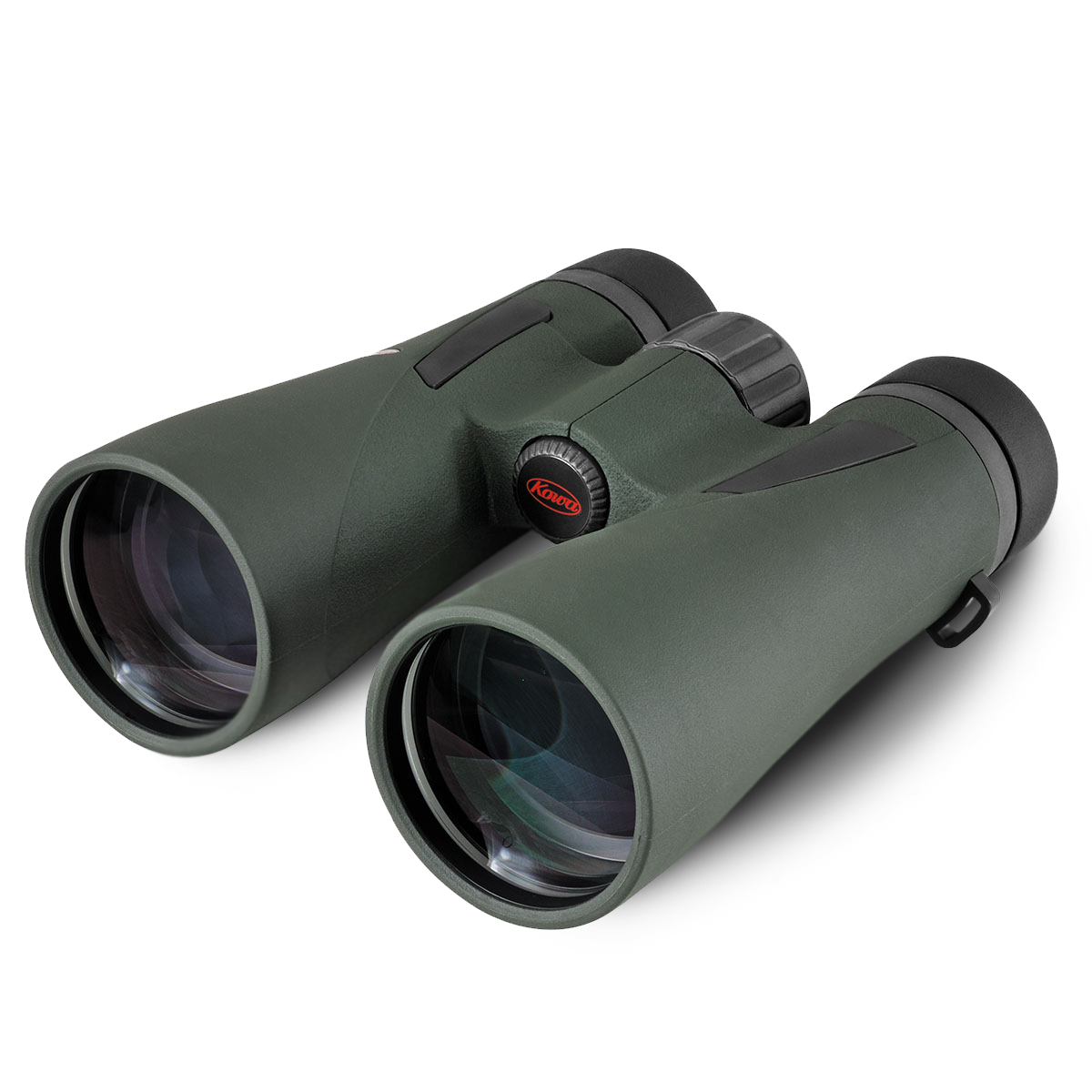
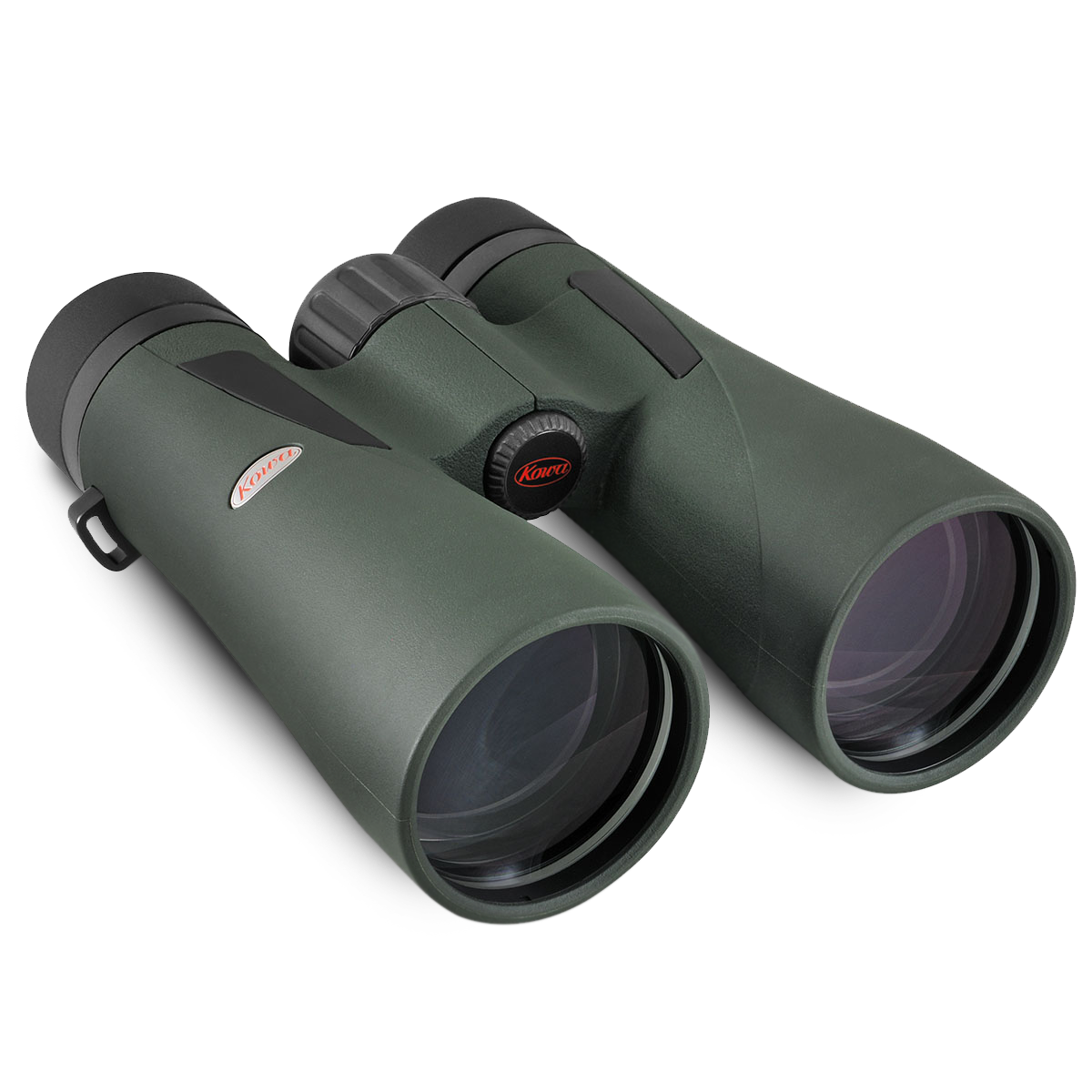
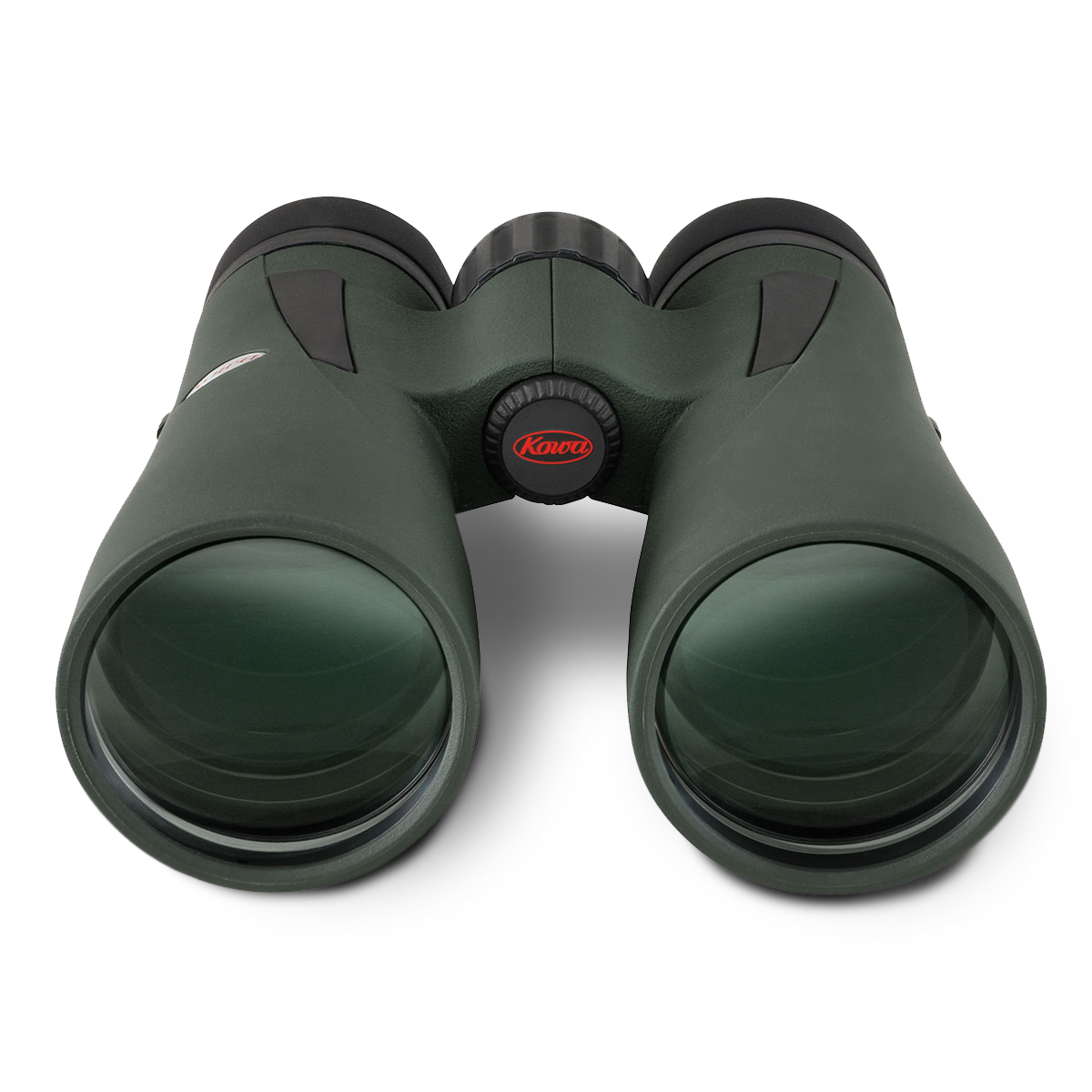
Explore the larger 50 mm objectives, focus wheel, soft eyecups, hinge, dioptre ring, armour texture and supplied carry system in Kowa BD III 12×50 product imagery.
Swipe or scroll to explore every photograph. Product views retain the complete image.
Upright opposite three-quarter viewBinocular and supplied accessoriesUpright body and focus wheelUpright body with Kowa brandingStraight upright viewEyepieces and focus wheelAngled eyepiece viewOpposite angled eyepiece viewAngled objective lens viewOpposite angled objective viewUpright branded three-quarter view50 mm objective lenses, head-on
1 / 12
The maximum-reach BD III
Choose 12×50 when distant detail takes priority.
The BD III 12×50 is the natural choice for observers who regularly work across longer distances and want the greatest subject scale available in the current BD III-XD family. It rewards a steady hold and becomes especially effective from a supported position or tripod.
01
Choose 12×50 for the finest distant detail
Twelve-power magnification gives 20% more image scale than 10×, helping separate fine plumage, markings and structure on distant birds, wildlife and landscape features.
02
Choose 12×50 for deliberate long-range observation
The 50 mm objectives, 17.5 mm eye relief and tripod attachment support suit extended sessions from hides, viewpoints, shorelines and open-country observation positions.
03
Choose 10×50 when steadiness and brightness take priority
The BD III 10×50 has a larger 5.0 mm exit pupil and is easier to hold steadily by hand. The 12×50 counters with greater subject scale while retaining the same 50 mm chassis size and adding only 5 g of body weight.
Greater subject scale
BD III 12×50
4.2 mm
Published exit pupil
Field at 1,000 m
101 m
Body weight
730 g
Viewing character
More detail at distance; a steady support helps.
Wider field, larger exit pupil
BD III 10×50
5.0 mm
Published exit pupil
Field at 1,000 m
115 m
Body weight
725 g
Viewing character
Easier handheld steadiness and more forgiving eye placement.
Circle diameters are proportional illustrations of the published exit pupils. Brightness also depends on optical transmission, scene light and the observer’s pupils. Both models measure 160 × 134 × 57 mm.
Kowa BD III-XD family lineup. The 12×50 has the highest magnification in the current range; other models provide different balances of size, field width and exit pupil.
Set once, then focus naturally
A clear view in five straightforward steps.
Correct setup lets both optical channels work together and helps you see the complete wide field with less eye strain.
Set the eyecups.
Retract the twist-up eyecups when wearing glasses. Without glasses, extend them and test the available position that gives one full circular field without dark crescents.
Match the distance between your eyes.
Move the barrels inward or outward at the central hinge until the left and right images merge into one circle. The adjustment range is 57–76 mm.
Calibrate the dioptre.
Set the right-eye dioptre index to zero. Focus a detailed subject with the centre wheel using only the left eye, then close the left eye and adjust only the dioptre until the right-eye image is equally sharp.
Use the central wheel for normal focusing.
Once the dioptre is set, leave it in place. Rotate the large centre focus wheel to move from the approximately 3.0 m minimum-focus distance through to distant subjects and infinity.
Fit the strap and lens protection securely.
Thread the shoulder strap through both attachment rings exactly as shown in the Kowa instructions. Attach the rainguard to the strap and keep the objective caps in place between observations. For prolonged 12× viewing, use the binocular's tripod attachment provision with a suitable adapter and support.
Included with the binocular
Protected, packed and ready to observe.
The supplied carry system covers everyday transport and field protection from the first outing.
Kowa BD III 12×50 XD binocular
Protective soft carry case
Shoulder / neck strap
Eyepiece lens caps / rainguard
Two objective lens caps
Quick-start guide / instruction documentation
Extend your field setup
Useful support for longer observations.
Kowa lists these optional accessories alongside the 12×50. Choose a tripod adapter for a steadier view, or a harness for comfortable carry between stops.
Optional accessory · Sold separately
Kowa KB2-MT tripod adapter
Connects the binocular to a standard tripod head. It is useful for prolonged 12× observation from hides, shorelines and viewpoints. A tripod or other stable support is also required.
Optional accessory · Sold separately
Kowa H-Strap carry harness
Distributes the carrying load across the shoulders and helps keep the binocular close to the body while walking. It is an optional alternative to the supplied neck strap.
Both accessories are sold separately. Ask Jacobs Digital about current availability and the support that suits your use.
Keep the view clear
Simple care between field days.
The protective coatings and sealed construction work best alongside careful cleaning, drying and storage.
Lift grit before wiping.
Remove loose dust with a blower first. Use an appropriate optical cloth or lens paper gently, with a small amount of suitable lens cleaner if needed. Avoid abrasive wiping.
Dry after damp outings.
Wipe moisture away before storage. If salt, mud or grit reaches the focus wheel, dioptre ring or hinge, clean and dry the affected area before operating it.
Store clean and dry.
Keep the binocular away from heat and persistent humidity. For longer storage, follow Kowa’s instructions for dry, ventilated storage or an airtight container with desiccant.
Official Kowa BD III-XD family field image. Allow the binocular and its carrying accessories to dry fully after a wet outing.
Technical reference
Complete Kowa BD III 12×50 XD specifications.
Optical performance, physical fit, protection and supplied accessories in one place.
Product identification
Product
Kowa BD III 12×50 XD binocular
Series
Kowa BD III-XD / BDⅢ Series
Manufacturer model
BDIII50-12XD / BD III 50-12 XD
Jacobs Digital SKU
BD III 12x50
Kowa Europe product number
12804
JAN / EAN / GTIN-13
4580614171953
Colour
Deep Kowa green body with black controls, eyecups and grip accents
Product category
High-magnification 50 mm central-focus roof-prism binocular with Kowa XD extra-low-dispersion objective glass
Recommended applications
Distant birdwatching, shorebirds, raptors, native wildlife, hunting, wetlands, coastlines, open country, viewpoints, landscape observation, sport and other applications where maximum reach and fine distant detail are priorities
Optical system
Magnification
12×
Effective objective lens diameter
50 mm
Objective lens material
Kowa XD extra-low-dispersion / ED glass element with fluorite-rich optical formulation
Prism type
Roof prism with central focusing system; BaK4 prism glass
Prism coatings
Kowa C³ high-reflectivity dielectric multilayer coating plus phase-correction coating
C³ coating performance
Kowa specifies reflectance greater than 99% across the visible spectrum from 400 nm to 700 nm on the treated prism surface
Lens and prism surface coatings
Multi-layer coating on all lens and prism surfaces / fully multi-coated optical system
Exterior-lens protection
Kowa KR coating on eyepiece and objective surfaces to repel water and oil, resist dirt and simplify correct cleaning
Real angular field of view
5.8°
Viewing format
Wide-angle view; 5.8° real angular field
Linear field of view at 1,000 m
101 m
Linear field of view at 1,000 yd
303 ft / approximately 92.4 m
Minimum focusing distance
3.0 m / approximately 9.8 ft in Kowa’s current global specification table; some official documents list 3.5 m
Exit pupil diameter
4.2 mm, published by Kowa
Relative brightness
17.6
Twilight factor
24.5 (calculated from 12× magnification and 50 mm objective diameter)
Eye relief
17.5 mm
Adjustment and handling
Focusing control
Large central precision focus wheel operating both optical channels
Dioptre adjustment
Independent right-eye dioptre ring with zero index; Kowa does not publish a numerical adjustment range in the reviewed model information
Interpupillary adjustment range
57–76 mm
Eyecups
Soft silicone twist-up eyecups; retract for glasses and extend for viewing without glasses
Exterior grip
Newly designed tactile rubber armour with recessed grip areas
Strap provision
Two side strap attachment rings / lugs
Tripod provision
Tripod mounting socket; suitable adapter and support required
Dimensions and construction
Body / chassis material
Lightweight magnesium-alloy chassis
Exterior protection
Green rubber armour with black control and grip elements
Dimensions (length × width × height)
160 × 134 × 57 mm / approximately 6.30 × 5.28 × 2.24 in
Body weight
730 g / approximately 25.75 oz
Form factor
High-magnification 50 mm straight-barrel roof-prism binocular with central hinge, 12× magnification and tripod attachment provision
Environmental protection
Waterproof construction
Yes; sealed for wet-weather outdoor use
Internal filling
Dry nitrogen gas
Internal fog and mould protection
Nitrogen filling helps prevent condensation, fogging and fungal growth on internal optical surfaces
Water, oil and dirt resistance on exposed glass
Kowa KR coating
Underwater use
Not intended for underwater use; no published depth rating
Published operating-temperature range
Not specified by Kowa in the reviewed model documentation
Supplied accessories
Case
Protective soft carry case
Strap
Shoulder / neck strap
Front lens protection
Two objective lens caps
Rear lens protection
Eyepiece lens caps / rainguard designed for strap attachment
Documentation
Quick-start guide / instruction information
New Zealand warranty
Jacobs Digital NZ manufacturer warranty
1 year
Warranty support
Contact Jacobs Digital for warranty service on this New Zealand listing
Figures apply to the BDIII50-12XD 12×50 model. The 730 g figure is body weight; the case, strap and caps add to carrying weight. Kowa’s current global table lists 3.0 m close focus, while some official documentation lists 3.5 m. If viewing at the minimum focusing distance is important to you, please check this detail with Jacobs Digital before purchase. The C³ percentage describes reflectance at a treated prism surface, not total binocular light transmission.
Official information
Leaflet, instructions and product reference.
Use Kowa’s current documentation for setup, strap attachment, cleaning, storage and safety guidance.
Is the Kowa BD III 12×50 a good birdwatching binocular?
It suits distant birds and open habitats where additional subject scale helps, including coastlines, wetlands and viewpoints. The 101 m field at 1,000 m provides context around the subject. At 12×, a supported position can make longer observations steadier.
Does the Kowa BD III 12×50 use ED glass?
Yes. Kowa calls its extra-low-dispersion glass XD. The fluorite-rich ED objective elements help reduce colour fringing around high-contrast detail.
How wide is the field of view?
Kowa specifies a 5.8° real angular field, covering approximately 101 m at 1,000 m. At 100 m, the same field covers about 10.1 m.
How close can the Kowa BD III 12×50 focus?
The current Kowa global specification table gives a 3.0 m minimum focusing distance. Use the central wheel to refocus from nearby subjects to distant views. Some official documents list 3.5 m; please confirm this detail with Jacobs Digital if minimum-distance viewing is a priority.
Is the Kowa BD III 12×50 suitable for people who wear glasses?
The model has 17.5 mm eye relief and retractable twist-up eyecups. Start with the eyecups down when wearing glasses. Seeing the entire field still depends on your frames, lens position and facial fit.
Can the Kowa BD III 12×50 be mounted on a tripod?
Yes. A tripod mounting socket is identified in Kowa’s instructions. Use a compatible binocular adapter and stable support for extended viewing; these are separate from the standard supplied accessories.
What is the difference between the BD III 12×50 and 10×50?
The 12×50 gives 20% more image scale. The 10×50 offers a wider 115 m field and larger 5.0 mm exit pupil, compared with 101 m and 4.2 mm here. Both use a 160 × 134 × 57 mm body; the 12×50 weighs 730 g and the 10×50 725 g.
What is included and what warranty applies in New Zealand?
The standard pack includes the binocular, soft case, strap, objective caps, eyepiece caps / rainguard and instruction documentation. This Jacobs Digital New Zealand listing states a one-year manufacturer warranty. Contact Jacobs Digital for local warranty support.
Is it a zoom binocular?
No. Magnification is fixed at 12×. The central wheel adjusts focus rather than changing magnification.
Does it have image stabilisation?
No. This is a conventional optical binocular without built-in image stabilisation. A steady hold, seated position or tripod helps control the movement that becomes more visible at 12×.
Does it need batteries, charging or an app?
No. Viewing and focusing are mechanical and optical; there is no battery or app requirement.
Is 12× suitable for handheld use?
Yes, although hand movement is more noticeable than at lower magnification. It can be useful for brief scans, while bracing your elbows or using a support often makes prolonged viewing more comfortable.
Is it brighter than every 10×42 binocular?
The 50 mm objectives collect more light than 42 mm objectives, but 12× magnification also spreads that light over a larger image. Both formats have an approximately 4.2 mm exit pupil. Actual brightness depends on transmission, the scene and the observer’s pupil, so objective diameter alone does not guarantee a brighter view.
What does the 4.2 mm exit pupil mean?
It is the approximate diameter of the light beam leaving each eyepiece. It follows from 50 mm divided by 12×, rounded to 4.2 mm. A larger exit pupil can make eye placement more forgiving, especially when the observer’s pupils widen in dim light.
What eye-spacing range does it fit?
The hinge adjusts to an interpupillary distance of 57–76 mm. Move the barrels until both images merge into one circular field. The quoted range refers to pupil spacing, not spectacle-frame width.
How do I set the eyecups?
Start with them retracted if you wear glasses and extended if you do not. Adjust your position until the view is a complete circle without dark crescents.
What is the right-eye dioptre for?
It compensates for differences between your eyes. Begin at zero, focus with the central wheel using the left eye, then use the right-eye ring to sharpen the right image. After that, use the central wheel for normal focusing.
Why do I see two overlapping circles or dark edges?
First check the hinge spacing, then the eyecup setting and your eye position. The intended view is one circular field. Recheck the dioptre if one eye remains less sharp than the other.
Is it waterproof?
Yes. Kowa specifies a waterproof, nitrogen-filled body for outdoor use. It is not intended for underwater use, and no immersion-depth rating is published for this model.
What does nitrogen filling protect against?
It helps prevent moisture-related fogging and mould inside the sealed body. It does not stop condensation or rain droplets forming on the outside surfaces, so exterior lenses may still need careful drying.
What does the KR coating do?
Kowa applies KR to the exposed objective and eyepiece surfaces to repel water and oil and make dirt easier to remove. It does not make the lenses scratch-proof or remove the need for careful cleaning.
Does the C³ claim mean the whole binocular transmits 99% of light?
No. Kowa’s greater-than-99% figure refers to reflectance at the treated prism surface over 400–700 nm. It is not a published measurement of total binocular transmission.
How should I clean the lenses?
Remove loose dust or grit with a blower first. Then clean gently with suitable optical cloth or lens paper, using only a small amount of appropriate lens cleaner if needed. Avoid abrasive wiping and the organic solvents prohibited in Kowa’s instructions.
What should I do after rain or coastal use?
Wipe moisture away and allow the binocular to dry before storage. If seawater, mud or grit reaches the focus wheel, dioptre ring or hinge, avoid operating the affected part until it has been cleaned and dried.
How should it be stored between trips?
Keep it clean and dry, away from heat and persistent humidity. Dry it fully after damp use. Kowa recommends a dry, ventilated storage place; for longer storage, an airtight container with desiccant is another option.
Does the rainguard attach to the strap?
Yes. Kowa’s instructions show the eyepiece cap / rainguard fitted to the strap, with a slit on one side for attachment and removal. Follow the illustrated strap routing so the binocular and caps remain secure.
How much does it weigh with the case and strap?
Kowa publishes a 730 g body weight. It does not give a complete carrying weight including the case, strap and caps, so those accessories add to the quoted figure.
Does it record images or measure distance?
No. It is an optical viewing binocular. It has no built-in camera, display or laser rangefinder.
Will it work in complete darkness?
It needs light from the scene and is not a night-vision or thermal device. The 50 mm lenses can be useful in dim conditions, but they do not create light.
Is there a maximum viewing distance?
There is no fixed distance limit like a laser rangefinder specification. It focuses on distant subjects; the detail you can identify depends on subject size, lighting, atmospheric conditions and how steadily the binocular is held.
No matching questions. Try a shorter term or clear the search.











 XD opticsExtra-low-dispersion objective glass
 Authorised Dealer
 Kowa BD III-XD · 12×50 wide-angle ED binocular

 Wide angle5.8° and 101 m at 1,000 m
 Close focusFocus from 3.0 metres
 Lightweight strengthMagnesium-alloy construction
 Weather readyWaterproof and nitrogen filled
 Compact handling160 mm long for a 12×50




 50 mm
 4.2 mm



 Optional accessory · Sold separately
 Optional accessory · Sold separately