





Night Vision Buying Guide

Night vision is not as complex as people make it seem. You really have two major technologies: night vision and thermal.
Night vision works by reflecting light down its objective lens into a highly sensitive CCD chip that displays the image on an LCD viewfinder. This gives you the black and white or green image you commonly expect.
Night vision generations
I keep hearing about different "generations". What's all that about?
The generations used to refer to the technology used in the night vision device. However, in consumer level products, there has been an increase in quality that has muddled the picture. It's quite possible to get a good quality image now for $1000, something that would have been impossible a few years ago.
Many brands have stopped listing which generation of technology they use. We would suggest searching for sample images from the night vision device you are looking at buying. Most good night vision devices, like the Bushnell 6x50 Equinox, have built-in recording options.

Example image taken from a Bushnell Equinox.
Common questions
Can I mount my night vision device onto a tripod or gun?
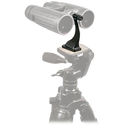
Yes you can! Lots of night vision models out there now can be mounted onto a rifle rail or a tripod.
I need to use it outdoors. Is it waterproof?
Yes. Nearly all night vision products are somewhat weatherproof or completely waterproof.
Night vision comes in many styles
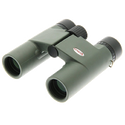
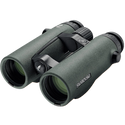
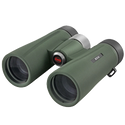
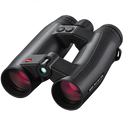
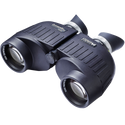
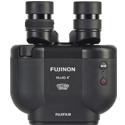
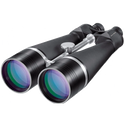
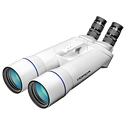
Binoculars
Binoculars are a popular night vision option, and come with the ability to magnify the image. Binoculars are a smart choice for nature enthusiasts and sportsmen, although buyers should keep in mind that they require both hands to operate. Potential buyers should first consider at what ranges they want to use night vision, and that more magnification doesn't necessarily mean a better image.
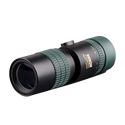
Monoculars
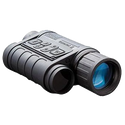
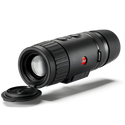
Monoculars are another popular night vision choice, as they are more versatile than most other device options while still allowing image magnification. Monoculars can usually be adapted to accommodate cameras or lenses, or can be mounted to weapons, depending on the needs of the individual buyer.
Goggles
Night vision goggles are an easy to use and comfortable choice. Base level models of goggles do not have inherent magnification, so goggles are used more for exploring in the dark. Goggles also allow the user to have full use of their hands. Magnification and cameras can be attached to some models.
Normally there is paperwork required to own these here in NZ.
Scopes
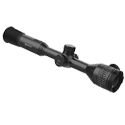
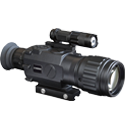
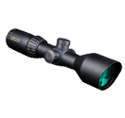
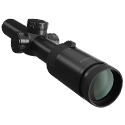
Night vision scopes are generally purchased to be attached to rifles. They are designed to mount easily, and provide the user the ability to magnify an image and see their target in the dark. Night vision scopes also generally feature an electronic crosshair in the viewer.
Cameras
Night vision cameras can be individual units, or can be lenses added to other types of night vision devices. Both still image cameras and video recorders are available with night vision capabilities. Since most good monoculars have recording options, the selection of these is now limited.
Picking the right product for you
The most important factors for picking the right product for you are as follows:
Clarity
Clarity is directly connected with resolution. The relation is quite simple: since resolution is measured in lines per millimetre, the more lines, the greater the quality will be. This is becoming somewhat less important, as even consumer grade products have improved their level of clarity in the last few years.
Range
When dealing with night vision scopes, it is important to know the necessary recognition range. Regardless of all the technological advances, night vision technology has still not reached the point where it can function as a rifle scope, i.e. having the ability to see over hundreds of yards.
The total range is not nearly as important as the recognition range of a night vision scope. Most manufacturers release recognition ranges for different lighting conditions like full moon, quarter moon, starlight only or overcast. Naturally the range decreases as the amount of light decreases, since night vision quality depends on the available light.
Ergonomics
With night vision devices, the higher the magnification, the bigger and heavier the optics. For freedom of movement and comfort use a lighter optic, while heavy optics are meant for static observation.
Durability
If you are about to spend several hundred or even thousands of dollars on a piece of night vision equipment, it needs to be a long term investment. So before deciding on the make and model, consider the quality of the weatherproofing and the known longevity of the electronics and optics.
Infrared Illuminators (IR)
When buying a night vision device, check if it has an infrared illuminator or the option to mount one. Infrared illuminators emit infrared light which is reflected back by the surroundings into the night vision device, making the image brighter. This addition is especially useful in situations where there is a near-total lack of light. Notably, IR illuminators have a limited range, depending on their size.
Still need more help?
Our staff are experienced experts and would be more than happy to talk about options for you. Please call or email us today, or explore the night with our range of night vision products and make the invisible visible!