



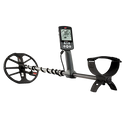
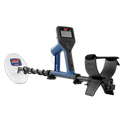
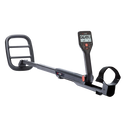
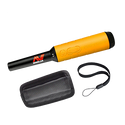


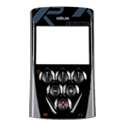

Nokta The Legend 2 Metal Detector
SKU: 11000562





Our Price



×

 At checkout, select Afterpay as the payment method
 Complete your checkout
 Pay over four installments

ORDER NOW
ENJOY NOW
PAY LATER
Pay it in four interest-free payments

No new cards, you can use your existing bank card

No long forms, online approval

Pay every 2 weeks, enjoy your purchase right away
All you need to apply is to have a debit or credit card, to be over 18 years of age, and to be a resident of New Zealand or Australia
Late fees and additional eligibility criteria apply. The first payment may be due at the time of purchase. For complete terms visit https://www.afterpay.com/terms



 More on the way
1800
183500
Shipping calculated at checkout
When will I receive it?
×

Pickups and Delivery
In-store pickup
We don't have this item in our store right now, please allow for it to be transferred to our retail store.
If you come to pick up your order please bring photo ID, if someone else is picking it up on your behalf please contact us prior to pickup.

Delivery estimates
Once your order has been picked up by the courier please allow 2 working days for North Island addresses, for the South Island allow 3 working days. Rural deliveries and extra-large items may take several additional days.
Shipping costs
Shipping costs are automatically calculated during checkout. The price of shipping varies based on the delivery location. Select items may be be eligible for free shipping.
Delivery of oversize items
Oversize items such as very large telescopes may only be available via pickup from a depot or delivered to a business address. For more infomation click here. Due to less frequent collection of oversize items delivery may take 2 to 4 additional days.
Security
To ensure the safe delivery of your order we require a signature with all parcels. Some exceptions may be made if you give the courier company authority to leave parcels at your preferred address.